

Authored by Charlie Lonardo VP, Digital Client Engagement
In January 2026, vaccine recommendations moved further toward shared clinical decision-making (SCDM), signaling a deliberate shift from routine action to individualized conversation. On paper, it sounds simple: empower patients, respect nuance, invite dialogue.
Konovo conducted rapid research with our HCP panel to understand how this update is playing out at the point of care. What emerged was a more nuanced story. Many clinicians support the intent behind SCDM, seeing value in collaboration and trust-building. Yet a majority also express concern that less prescriptive guidance may unintentionally open the door to hesitation, inconsistency, and missed vaccinations, especially for diseases once thought firmly under control.
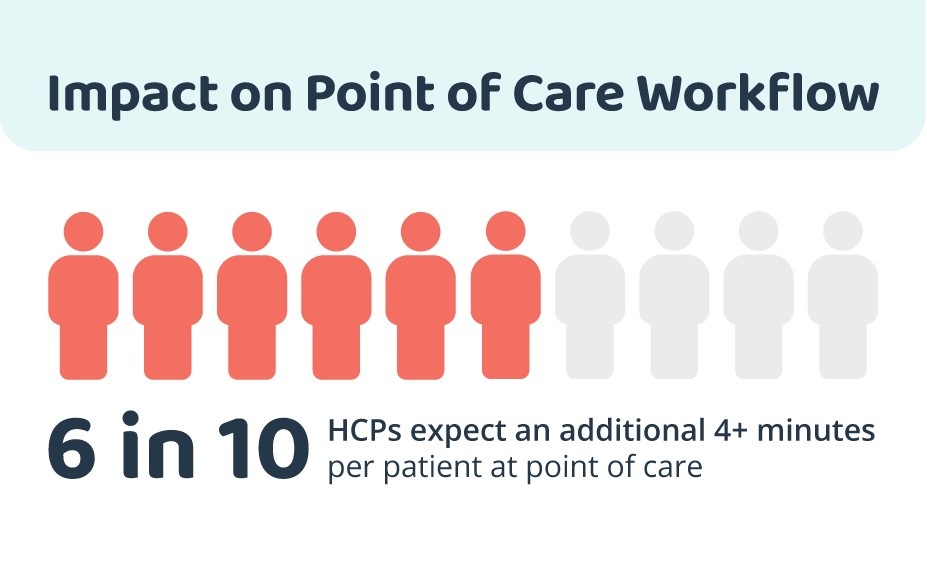
What is striking is not that clinicians disagree, but where that disagreement lives. The HCPs in research indicate point of care with parents and patients could become more tense and could potentially create more uncertainty depending on how the recommendation is framed. For example, if “optional” is interpreted as “unnecessary.”
For patients, this shift increases agency but also responsibility. For HCPs, it raises the cognitive and emotional load of every vaccine conversation. For the healthcare system, it introduces a quiet variable: how small changes in language and confidence can ripple into population-level real world outcomes.
Guidelines can change quickly, but behavior rarely does. For HCPs, this shift places more responsibility on already time-constrained conversations, asking them to educate, reassure, and recommend, often without clear guardrails. As shared decision-making becomes the norm, clinicians will need better tools, clearer data, and practical support to help them navigate these discussions confidently and consistently so the burden of choice does not make an already complex job even harder.
Read more on the Impact of Vaccine Recommendation Changes here